
Everything you need to plan your trip to CDMX — from someone who was born and raised here.
Mexico City doesn’t need an introduction. It needs a better one.
For years, most of what non-Spanish speakers heard about this city came filtered through headlines about crime, cartels, and travel advisories. Then the 2026 FIFA World Cup happened, and something shifted. Hundreds of thousands of visitors from dozens of countries walked through Roma Norte, ate tacos al pastor at 2 a.m. in Coyoacán, and packed the Estadio Azteca for a Round of 16 match against England that people are still talking about. They went home with a different story than the one they arrived with.
I was born and raised in Mexico City. I’ve watched this city get misunderstood by outsiders for most of my life, and I’ve also watched it quietly become one of the most exciting capitals on the planet — for food, for art, for architecture, for history that goes back further than most European capitals. This guide is the one I wish existed when friends from abroad started asking me, “Is it actually safe to visit? What should I actually do there? Where do I even start?”
Consider this your starting point. Everything below links out to deeper guides on each topic, so bookmark this page and come back to it as you plan.
Table of Contents
- Is Mexico City Safe? A Real Answer
- When to Visit Mexico City
- Understanding Mexico City’s Neighborhoods
- Getting Around: Metro, Uber, and Walking
- What to Eat (and Where)
- History and Legends Worth Knowing Before You Go
- Hidden CDMX: Beyond the Tourist Trail
- Day Trips from Mexico City
- A Simple 4-Day Itinerary
- Practical Tips Before You Land
Is Mexico City Safe? A Real Answer
This is the first question everyone asks, so let’s not bury it.
Mexico City is a massive metropolis of over 9 million people (more than 21 million in the greater metro area), and like any major world city, it has neighborhoods you should feel confident in and pockets you should approach with more awareness. That’s not unique to Mexico City — it’s true of New York, Paris, and São Paulo too. The difference is that Mexico City’s reputation abroad has been shaped disproportionately by news coverage of drug-related violence that, in reality, is concentrated in specific regions of the country and rarely intersects with the tourist and expat neighborhoods where visitors actually spend their time.
During the 2026 World Cup, the city hosted an enormous influx of international visitors without major incident, and the takeaway from most first-time visitors was the same: Mexico City felt safer, friendlier, and more walkable than they expected. That’s not marketing spin — it’s the honest, repeated experience of people who came with no context beyond the headlines and left surprised.
Practical safety guidelines that apply here, same as any big city: stick to well-populated areas at night, use Uber or officially registered taxis instead of hailing cabs off the street, keep your phone and wallet out of back pockets in crowded areas like the Metro, and avoid flashing expensive jewelry or electronics. If you follow the same common sense you’d use in any major city, Mexico City is remarkably manageable — and genuinely rewarding.
→ For a full breakdown of what’s actually safe, what to avoid, and neighborhood-by-neighborhood safety notes, read our complete [Mexico City safety guide].
When to Visit Mexico City
Mexico City sits at nearly 7,350 feet (2,240 meters) above sea level, which gives it a mild, spring-like climate almost year-round — one of its most underrated features.
- November to April (dry season): Sunny days, cool nights, minimal rain. This is peak tourist season and the most popular window to visit.
- May to October (rainy season): Expect short, intense afternoon downpours, usually followed by clear skies. Mornings are typically dry. This is also when the city is at its greenest.
- Late October / Early November: Día de los Muertos transforms the city with altars, marigold flowers, and parades. Extraordinary to witness, but book accommodations early — it’s the busiest cultural week of the year.
- December: Festive, cold-ish evenings (bring a jacket), and the city center lights up with holiday markets and ice-skating rinks in the Zócalo.
There’s genuinely no bad time to visit. Pick your priority: warmer and drier (spring), greener and quieter (rainy season), or culturally loaded (Día de los Muertos, December holidays).
Understanding Mexico City’s Neighborhoods
This is where most first-time visitors get overwhelmed, and it’s the single most important thing to get right when planning your trip — where you stay shapes your entire experience.
A few essentials to know:
- Roma Norte and Condesa are the leafy, walkable, café-and-gallery neighborhoods most visitors gravitate toward. Tree-lined streets, art deco buildings, excellent restaurants, and a genuinely charming, low-key vibe.
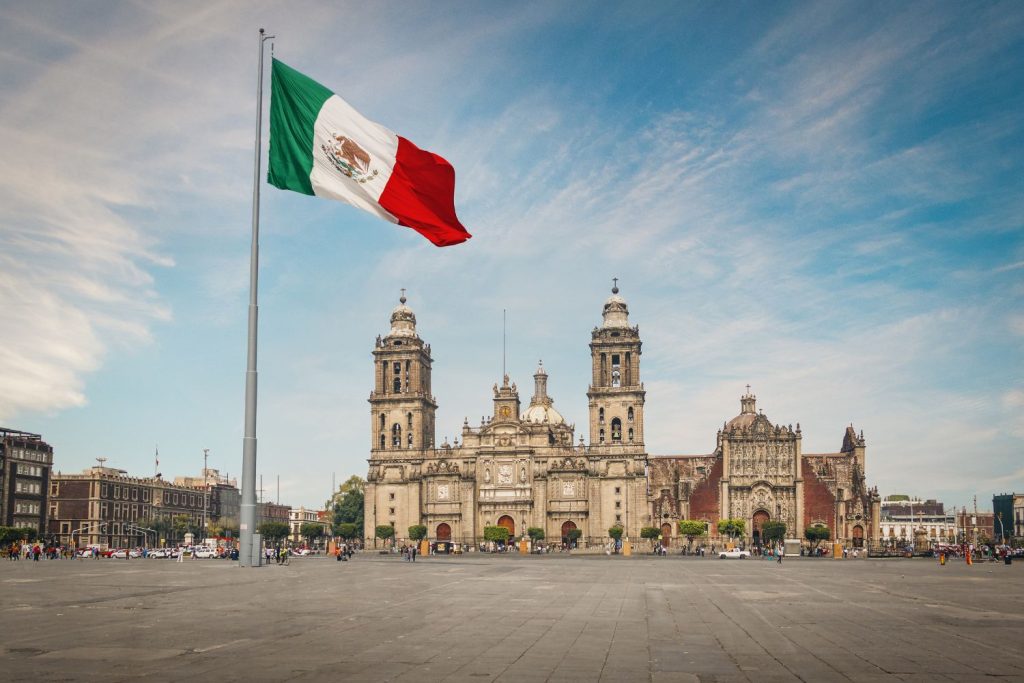
- Centro Histórico is the historic downtown — the Zócalo, the Metropolitan Cathedral, the Templo Mayor ruins. Essential to visit, though noisier and busier; better for a day trip than a home base for most travelers.
- Polanco is the upscale, polished neighborhood — luxury shopping, fine dining, embassies. Feels more corporate and less bohemian than Roma/Condesa.
- Coyoacán is the cobblestoned, artsy southern neighborhood where Frida Kahlo lived — home to the Museo Frida Kahlo (Casa Azul) and a fantastic weekend market scene.
- Juárez sits between Roma and the historic center — increasingly popular, walkable, and slightly less touristy than Roma Norte.
→ Get the full breakdown — including which neighborhoods to avoid and why — in our [Best Mexico City Neighborhoods guide], and download our free [printable map of 20 CDMX colonias] to plan your stay visually.
Getting Around: Metro, Uber, and Walking
Mexico City’s Metro is one of the cheapest and most extensive subway systems in the world — a single ride costs about 5 pesos (roughly 25 US cents) — but it’s not always the most tourist-friendly option during rush hour, when cars get seriously crowded.
For most visitors, the practical combination is:
- Uber and DiDi for anything after dark or when carrying luggage — inexpensive by US/European standards and widely used.
- Walking within neighborhoods like Roma, Condesa, and Coyoacán, which are genuinely pedestrian-friendly.
- Metrobús (the above-ground rapid transit) for longer stretches along major avenues like Reforma and Insurgentes.
- Avoid hailing regular street taxis; stick to app-based rides or officially marked sitio taxis from a taxi stand.
What to Eat (and Where)
Mexico City isn’t just good for tacos — although yes, the tacos are extraordinary. It’s one of the most exciting food cities on the planet right now, spanning everything from unmarked street stalls to globally ranked fine dining.
A few non-negotiables:
- Tacos al pastor, ideally from a stand with a visible trompo (vertical spit) and a line of locals.
- Mercado de San Juan or Mercado Roma for an accessible, curated introduction to Mexican markets.
- Pulque and mezcal bars in Roma/Condesa for something beyond tequila.
- Street-side quesadillas, tlacoyos, and elote — some of the best food in the city costs less than $2.
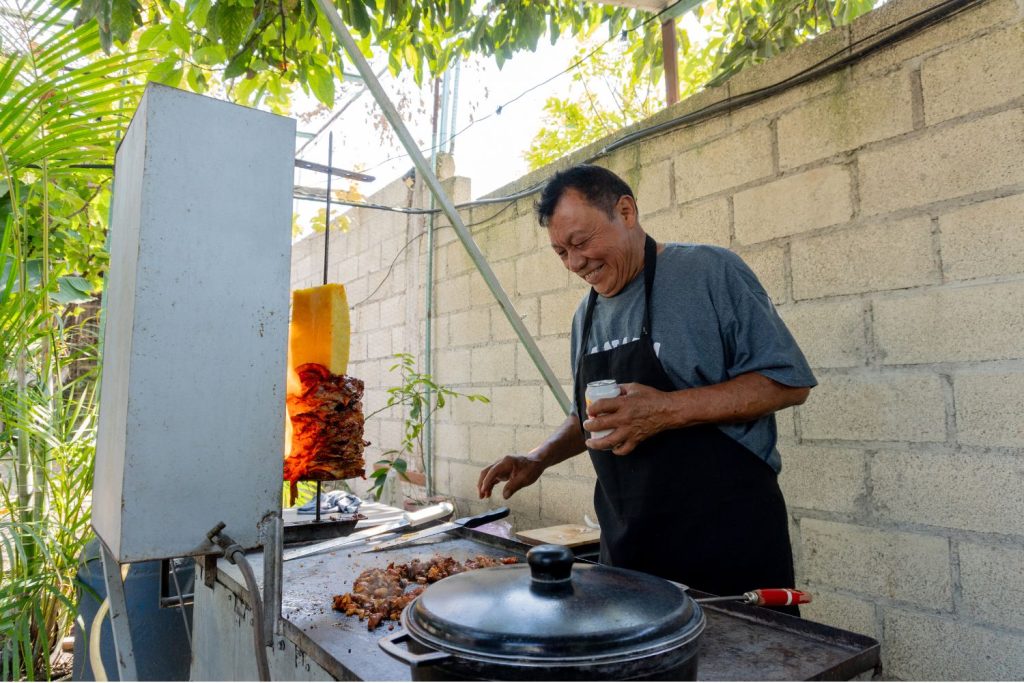
→ For a full local’s guide to where to eat, which markets are worth your time, and how to eat like someone who actually lives here, see our [Mexico City Food & Markets guide].
History and Legends Worth Knowing Before You Go
Mexico City was built directly on top of Tenochtitlan, the capital of the Aztec Empire — which means you’re walking through roughly 700 years of layered history every time you cross the Zócalo. The Templo Mayor ruins, uncovered right next to the cathedral, are a genuinely humbling reminder of what stood here before the Spanish conquest in 1521.
Beyond the museums, the city carries an entire oral tradition of urban legends — La Llorona, El Callejón del Beso, the ghost of the Casa de los Azulejos — stories that locals still half-believe and definitely still tell.
→ Dive into the full stories behind these legends, and the historical sites that bring them to life, in our [History & Legends of Mexico City guide].
Hidden CDMX: Beyond the Tourist Trail
Once you’ve covered the essentials — Frida Kahlo’s house, the Zócalo, Chapultepec Castle — the city rewards deeper exploration: rooftop bars with no signage, neighborhood cantinas that have been open since the 1930s, and quiet corners of parks that most tourists never find.
→ We’re building an ongoing series on the parts of the city most guidebooks skip. Check our [Hidden CDMX guide] for the latest finds.
Day Trips from Mexico City
If you have extra days, these are worth the trip out of the city:
- Teotihuacán, the ancient pyramid complex about an hour outside the city — home to the Pyramid of the Sun, one of the largest pyramids in the world.
- Xochimilco, the canal district where you can ride colorful trajineras (flat boats) through what remains of the Aztec chinampa farming system.
- Puebla, a colonial city about two hours away, known for mole poblano and Talavera pottery.
A Simple 4-Day Itinerary
Day 1: Centro Histórico (Zócalo, Cathedral, Templo Mayor) → dinner in Roma Norte Day 2: Chapultepec Castle and Park → Museo Nacional de Antropología → evening in Condesa Day 3: Coyoacán and Casa Azul (Frida Kahlo Museum) → Xochimilco canals in the afternoon Day 4: Teotihuacán day trip, or a slower day exploring Roma/Juárez cafés and shops
Practical Tips Before You Land
- Currency: Mexican peso (MXN). Cards are widely accepted in restaurants and shops; carry cash for markets and street food.
- Altitude: At 7,350 feet, some visitors feel mild shortness of breath the first day or two. Hydrate well and take it easy on alcohol the first night.
- Tipping: 10–15% at sit-down restaurants is standard.
- Language: Spanish is dominant; English is common in tourist areas and upscale neighborhoods, less so elsewhere. Learning a few basic phrases goes a long way.
- Water: Stick to bottled or filtered water, including for brushing your teeth if you’re being cautious.
Mexico City is not the city the headlines described. It’s older than most European capitals, more walkable than most people expect, and — as thousands of World Cup visitors discovered this year — a genuinely warm, exciting place to spend a week. This guide is your starting point. Explore the linked guides above for the details, and welcome to CDMX.